


Share
What began in late 2024 as a vision to help enable Indonesia’s sustainable finance ecosystem in a way that is credible, grounded, and impactful has taken shape more quickly than we anticipated. In 2025, Lestari Advisors moved from intent to institution. This was not a year of scale or visibility, but a year of building foundations.
We are deeply grateful for the trust placed in us by our supporters during this formative phase. That trust allowed us to prioritize substance over optics, institutional integrity over short-term wins, and long-term relevance over rapid expansion.
As we enter 2026, we do so with a clear awareness of the context we are operating in. Sustainability is increasingly shaped by a complex and shifting geopolitical environment. Global commitments are under pressure, economic and security priorities are reasserting themselves, and development pathways are being renegotiated. Lestari is growing at a moment when the sustainability agenda itself is transforming—making our role even more necessary.

Why Lestari Exists
Lestari Advisors was established to help bridge structural gaps in Indonesia’s sustainable finance ecosystem: between policy ambition and market reality, between capital and project pipelines, and between long-term national development objectives and financial returns.
Indonesia has the potential to play a far more active role in shaping markets and nurturing new green industries. Promising areas include battery and electric vehicle value chains—from sustainable nickel processing and cell manufacturing to battery recycling and second-life applications; solar PV manufacturing and end-of-life management—covering module assembly, inverter production, and circular-economy services for panel and battery waste; green hydrogen and ammonia—leveraging Indonesia’s renewable resources to decarbonize industry, shipping, and fertilizers; and sustainable bio-based industries—such as advanced biofuels, biochemicals, and biomass-to-value products derived from agricultural residues.
This potential will not be realized through market forces alone. Scholars have long emphasized that successful economic transformation depends on deliberate coordination between government, finance, and industry. Dani Rodrik highlights the importance of strategic public–private collaboration; Mariana Mazzucato underscores the role of mission-oriented public investment; Ha-Joon Chang reminds us that industrial development has historically been guided, not neutral.
From our perspective, building Indonesia’s green industries requires more than capital and public policy. It requires an ecosystem: capable institutions, credible policy frameworks, investable pipelines, and intermediaries that can translate ambition into execution.
From the outset, we made a deliberate choice about what Lestari would and would not be. We chose not to become a transactional consultancy responding narrowly to terms of reference. We chose not to produce extractive research disconnected from implementation. Instead, we set out to build an agile, expert-driven firm that combines the efficiency of a for-profit model with a commitment to wider public impact.
What We Built in 2025
The trust we received in 2025 allowed us to focus on foundational work.
A central focus of our engagement has been supporting the establishment of a national energy efficiency business incubator secretariat under the Ministry of Energy and Mineral Resources, with support from the UK PACT program. In this effort, we work closely with our strategic partner, NIRAS International Consulting Indonesia.
Energy efficiency is often described as a “low-hanging fruit” of the energy transition, yet it remains under-financed and under-developed. The constraint is rarely technology; it is the absence of investable projects, capable intermediaries, and confidence from financiers.
Our role was to help ensure that energy efficiency is treated not merely as a policy priority, but as an enabler of green industries. This involved strengthening institutional readiness, supporting the development of real project pipelines, and addressing structural barriers that prevent finance from flowing to viable projects. In doing so, we recognize the importance of early-stage coordination, risk-sharing, and institutional learning in market creation.
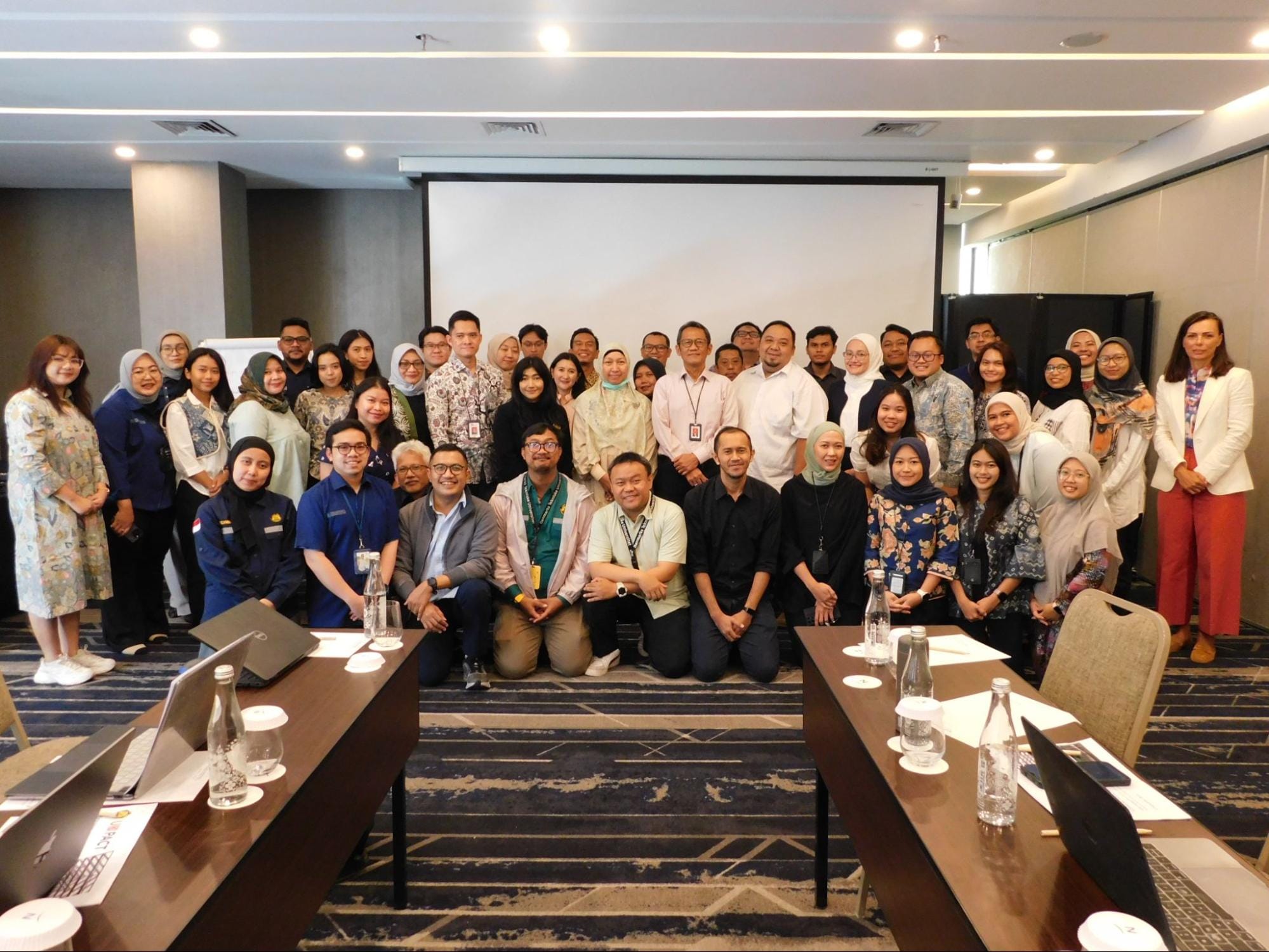
On September 10, 2025, NIRAS-Lestari Advisors Consortium, in collaboration with the Ministry of Energy and Mineral Resources and supported by UK PACT, initiated the formation of an Energy Efficiency and ESCO Investment Incubator Secretariat. The inaugural stakeholder engagement brought together key players from ministries, financial institutions, impact investors, philanthropy, and development partners. This collaborative effort marked the crucial first step towards advancing project investment for energy efficiency in Indonesia.
In parallel, we began laying the groundwork for a high-impact hub aimed at mobilizing sustainable finance in Indonesia. This work focuses on understanding where capital is constrained, where mandates and incentives misalign, and how public and catalytic finance can unlock private investment at scale. We are also exploring the strategic role that national investment institutions, including sovereign investment vehicles, could play in enabling green investments. In doing so, we recognize mission-aligned capital can shape markets rather than simply follow them.
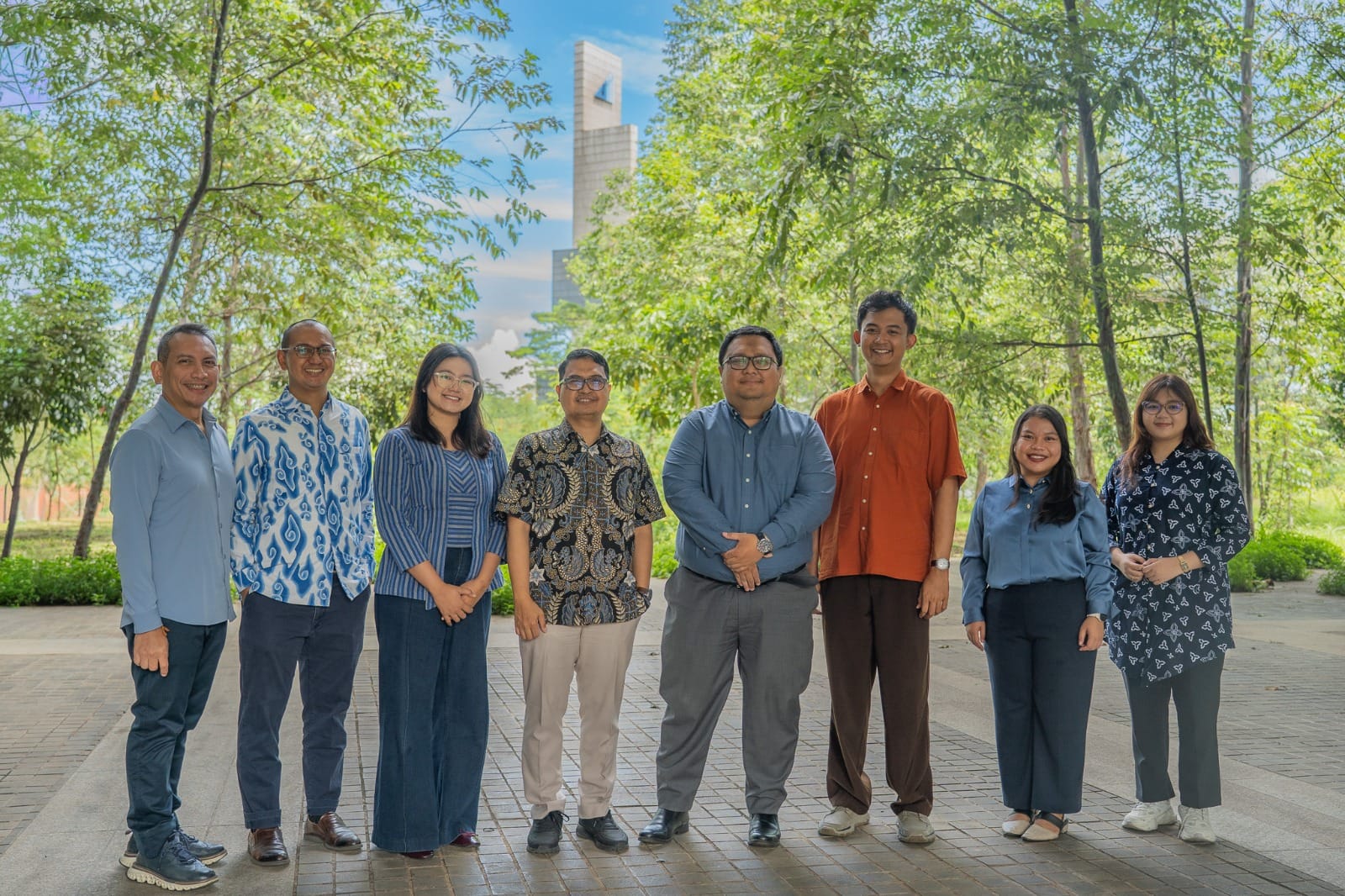
On December 17, 2025, representatives from Lestari Advisors and KOMITMEN Team of Universitas Islam Internasional Indonesia (UIII) convened to launch a strategic research partnership aimed at evaluating the future of Indonesia’s sovereign wealth fund, Danantara. The overarching objective of this research is to benchmark leading sovereign wealth funds globally in their approaches to mobilizing capital for green and climate-aligned investments, and to derive strategic lessons relevant to Indonesia’s context.
Looking Ahead into 2026
Lestari operates as a small, high-trust team focused on depth, credibility, and long-term relevance.
We see ourselves as a boundary enterprise. We operate between government, finance, industry, and civil society—translating across different institutional logics while maintaining independence. We prioritize analytical rigor, practical understanding of institutions, and ethical clarity. We are committed to building a professional environment that is people-centered and inclusive. We believe that credibility in sustainability must be reflected not only in outputs, but in how organizations treat their people and conduct their work.
As we move into 2026, Lestari enters a phase of growth, but with discipline.
Our values, positioning, and commitment to institutional integrity remain unchanged. What evolves is our scale of engagement, the depth of our work, and the responsibility that comes with growing trust. We will continue to focus on enabling green industries and mobilizing sustainable finance in ways that are credible, grounded in Indonesia’s realities, and resilient to a changing global context.
Lestari Advisors was established to play a long-term role in Indonesia’s green transition. Our commitment is to continue building intentionally and always with a clear sense of purpose.